

This week I do not have a Fuel Stack article.
I tried to sit down and write about fuel operations, technology, customers, and the things I normally think about every day. But I could not get myself to do it.
I am from Nepal, and the past few days have been incredibly difficult for many of us.
Recent floods and landslides triggered by a glacier collapse along the Nepal-Tibet border have devastated communities across the region.
The death toll has risen to at least 734. Nearly 2,500 people remain missing. Homes, roads, and infrastructure have been destroyed. Families are waiting desperately for news about their loved ones. NBC News
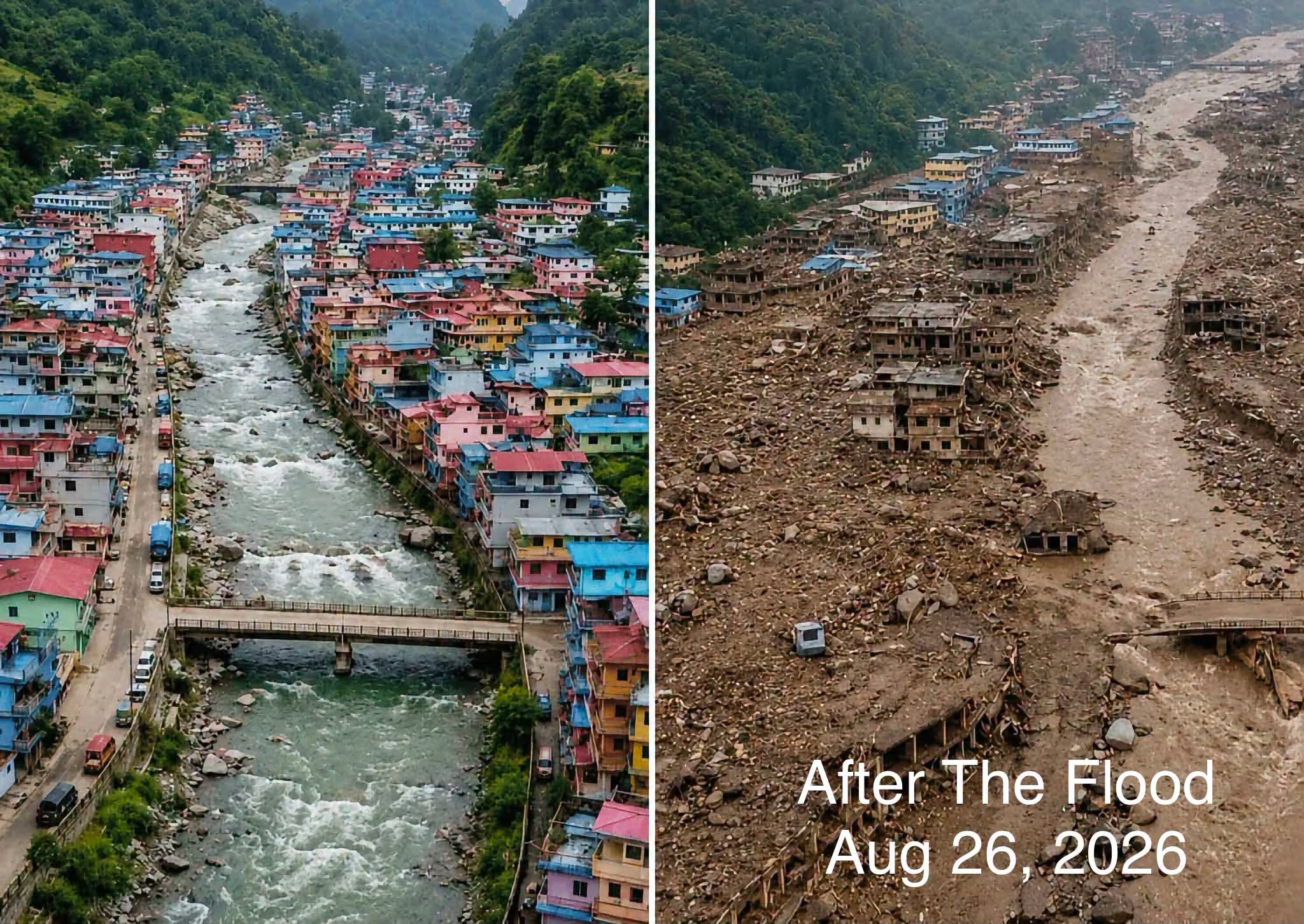
For me, this tragedy has become deeply personal.
One of my friends, someone who started the early part of his career working with me at one of my startups in Nepal, has been missing for the past four or five days. We believe he may be trapped inside a hydropower tunnel.
There has been very little information.
So much of the last few days has been spent making calls, following updates from Nepal, speaking with people on the ground, and hoping for any piece of good news.
It is difficult to explain the feeling of knowing someone you care about may still be somewhere inside a mountain, while families and rescue teams are doing everything they can to reach them.
So this week, instead of writing about fuel, I just wanted to write this note.
Events like this also make climate change feel much less like an abstract conversation.
Countries like Nepal contribute only a tiny fraction of global greenhouse gas emissions, yet communities across the Himalayas are increasingly exposed to extreme rainfall, glacial lake risks, floods, landslides, and other climate-related disasters.
Researchers have found that glaciers across the Hindu Kush Himalaya region are melting faster, with ice loss rates doubling since 2000. CBC News
The people paying the highest price are often the people who contributed the least to creating the problem.
There are obviously many factors behind any individual disaster, and I do not want to turn this into a policy essay. But a warming climate is changing the risk environment for fragile mountain communities, and countries like Nepal have very limited resources to prepare for and recover from events of this magnitude.
Estimates suggest Nepal may need $4 to $5 billion to rebuild following this disaster. NBC News
For me, though, none of those numbers matter very much this week.
Right now, there is a friend I am hoping comes home.
There are families waiting for their sons, daughters, brothers, sisters, fathers, and friends.
If you are someone who prays, please keep Nepal and the people affected by this tragedy in your prayers.
And please say a prayer for my friend.
If you would like to support the relief efforts, the Government of Nepal has set up a Prime Minister’s Disaster Relief Fund.
Donate to the Nepal PM Disaster Relief Fund →
Every contribution, however small, helps families on the ground who are waiting for help right now.
I hope to return to our regular Fuel Stack conversations next week.
Thank you for understanding.
— Dibyesh